

What to Do If You Lose a Tooth As an Adult
Seek immediate dental care. Time is critical, so contact a dentist or an emergency dental clinic right away. Explain the situation and try to get an appointment as soon as possible. Our tooth loss dentist will provide further guidance and treatment options.
What to Do If a Permanent Tooth Falls Out (Step-by-Step)
By age 50, the average American has lost 12 permanent teeth to decay, gum disease or injury. "Your mouth is the first organ of your digestive system. Missing teeth affect not just your appearance but your overall health," says Dr. German Gallucci, executive director of the Harvard Dental Center. If you’ve had a permanent tooth fall out, follow the following steps to prevent permanent damage to your mouth.
-
Recover your tooth - Do NOT grab the root. While it may be difficult, make sure to only handle the crown part of your lost tooth to avoid any additional damage.
-
Rinse the tooth - Use water, milk or a saline solution to clean off the tooth. If using saline, make sure it is sterile. Do not wipe or scrub the tooth, just gently rinse off the root and crown.
-
Reinsert your tooth into the empty socket - Put your tooth back in the socket to keep the root protected. Hold the tooth in place by gently biting down on medical gauze or soft fabric. The pressure will keep your tooth from moving too much.
-
Protect the tooth - If reinsertion doesn’t work, keep the tooth in a glass of milk or saline solution. Water will not preserve your tooth. If you don’t have any milk or saline solution, place the tooth in your mouth between your cheek and gums.
-
Go to a dentist- The faster you get to a dentist, the better chance you have of restoring your tooth. In the event a dentist is unavailable, go to an emergency room. Bring your tooth with you so they may try reinsertion.
What causes the loss of teeth in adults?
There are several reasons an adult tooth may fall out or become loose. Understanding the most common causes of tooth loss can help you prevent future dental emergencies and know when to seek care from an emergency dentist.
-
Poor oral hygiene: Neglecting regular dental care, such as brushing and flossing, can lead to the buildup of plaque and tartar, causing tooth decay and gum disease. If left untreated, these conditions can progress, leading to tooth loss.

-
Gum disease (periodontal disease): Gum disease is a leading cause of tooth loss in adults. It begins with gingivitis and can progress to periodontitis, damaging the bone and tissues supporting your teeth.
-
Tooth decay (cavities): Severe or untreated cavities weaken tooth structure over time. Poor oral hygiene, sugary diets and missed dental checkups increase the risk of tooth decay and eventual tooth loss.
-
Trauma or injury: Sports injuries, accidents or facial trauma can cause teeth to loosen, fracture or be knocked out completely. Immediate dental care is critical when an adult tooth is lost due to injury.
-
Dental conditions and diseases: Certain dental conditions or diseases can lead to tooth loss. For example, severe bruxism (teeth grinding), untreated infections, oral cancer or genetic tooth development conditions can result in the loss of teeth.
Many causes of tooth loss in adults are preventable with good oral hygiene, routine dental visits and early treatment. If you are experiencing pain, looseness or signs of infection, contacting a dentist promptly can help protect your oral health and prevent further tooth loss.
What Happens if a Permanent Tooth Falls Out?
Losing a permanent tooth as an adult can be alarming and stressful, whether it happens due to decay, injury or a sports accident. If your adult tooth fell out, it is considered a dental emergency and should be treated as soon as possible to reduce the risk of infection, permanent damage and the possibility of saving the tooth.
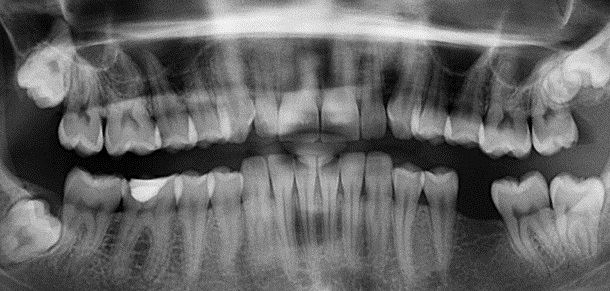
A missing tooth is more than a cosmetic concern. An empty socket leaves your gums vulnerable to infection and nearby teeth may begin to shift into the open space. Over time, untreated tooth loss can affect your bite, jawbone health and overall oral function.
Our experienced dental team in Madison, WI provides emergency care and restorative solutions to help protect your oral health after tooth loss. Whether reinsertion is possible or replacement is needed, we’ll guide you through the best treatment options for your situation swiftly and seamlessly.
Call for Emergency Appointment Availability
How to Protect Your Teeth
One of the most common reasons an adult tooth gets knocked out is due to sports injuries or physical trauma. Contact sports, falls, car accidents and even minor impacts to the jaw can cause a permanent tooth to loosen or fall out unexpectedly. Wearing a properly fitted mouthguard during athletic activity can significantly reduce your risk of tooth loss.
If a permanent tooth feels loose but has not fallen out, it’s still considered a dental emergency. A loose adult tooth may indicate trauma, infection or root damage. Contact an emergency dentist in Madison, WI as soon as possible to prevent the tooth from falling out or becoming unsalvageable.
Practicing good oral hygiene is one of the best ways to prevent tooth loss caused by decay or gum disease. Brush twice daily, floss every day and schedule regular dental checkups with Total Care Dental in Madison to catch problems early. Preventive care plays a critical role in keeping your permanent teeth healthy and secure.
If reinserting a knocked-out tooth is not possible or the tooth is too damaged, restorative treatments such as restorative dental implants or bridges can help restore function and appearance. After restorative work is finished, you may want some cosmetic procedures to help your new smile look great.
If a child loses a permanent (adult) tooth, follow the same emergency steps and seek dental care immediately. Children often have a better chance of successful reinsertion when treated quickly by a dentist.
Implants & Bridges
The preferred choice for replacing a single tooth is often a dental implant. To promote proper support for the implanted tooth, careful preparation is necessary, including assessing the amount of bone in the intended placement area. This evaluation is essential to guarantee adequate support for the replacement tooth.
If you lose a tooth and don’t have it replaced, the supporting bone will begin to degrade and melt away. The remaining teeth then begin to shift to fill the space. A good choice for replacing multiple teeth is a dental bridge, which involves artificial teeth fused to a metal frame. This frame is securely bonded to either implants or healthy teeth protected by crowns, providing stability and support for the bridge.

Have you lost a tooth and need dental assistance? Contact Total Care Dental in Madison.



