Gingivitis Treatment Options for Dane County Patients
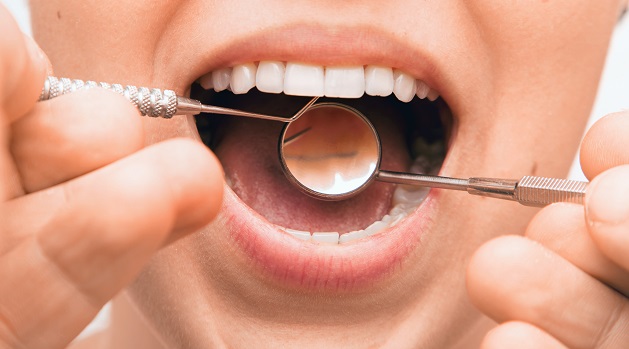
Total Care Dental provides the best Madison dental services to treat your overall oral health. One of the main things our dentists watch for and treat is periodontal (gum) disease. Known as a destructive infection, gum disease starts with mild gingivitis and results in the progressive destruction of the gum tissue and bone supporting the teeth. If left untreated, periodontal disease can severely affect your teeth and gums.
Catching gum disease early with routine dental visits will reduce the risk of painful side effects later. If you notice any symptoms below, set up an appointment with TCD in Madison right away. Our local dentists will examine your teeth and gums to find the source of the problem.
Early Warning Signs of Gum Disease
- Bleeding gums when you floss
- Red, swollen or tender gums
- Persistent bad breath
- Pus between the teeth and gums
- Loose or separated teeth
- A change in the way your teeth fit together when you bite
- A change in the fit of your partial or full dentures
Schedule a Consultation
Periodontal care focuses on maintaining healthy gums and preventing gum disease. Services such as deep cleanings, gum treatments and personalized oral hygiene plans preserve gum health and prevent complications.

Dr. Brett Clark, DDS Dentist & Owner
Risk Factors and Causes of Periodontal Disease
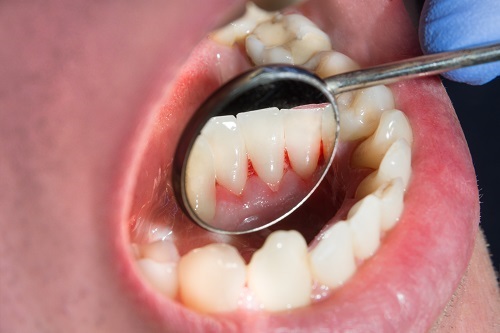 Certain disease-producing bacteria present in plaque or biofilm can cause irritation and inflammation of the gums, also known as gingivitis. If plaque is not removed from the teeth with regular daily brushing, it will harden and turn into calculus, or tartar. Tartar buildup on teeth prevents proper cleaning and can lead to periodontal disease, where the healthy, attached tissue becomes unattached and creates a pocket. Deeper pockets require a special course of treatment.
There are many early indicators of periodontal disease, and our passionate Madison dentists are experts at spotting early signs and providing necessary treatment. Studies have shown the following factors will increase your risk of periodontal disease:
- Smoking or chewing tobacco
- Vaping nicotine products
- Systemic diseases & genetics: diabetes, cardiovascular disease, stroke, blood cell disorders, HIV infections and AIDS
- Medications: steroids, anti-epilepsy drugs, cancer therapy drugs, blood pressure drugs and immunosuppressant therapy drugs
- Changing hormone levels from puberty, pregnancy and oral contraceptives
- Passing saliva from kissing or sharing food and drink
- Ill-fitting dental bridges, crooked/crowded teeth or defective fillings and crowns
Fortunately, preventative measures can protect your teeth from gum disease. Regular dental cleanings and checkups will significantly reduce the risk of periodontal disease.
Schedule a Consultation
Periodontal Disease Diagnosis
TCD Madison dentists will measure the pocket depth around each of your teeth to check for periodontal disease. A healthy pocket should have a depth of 3mm or less. During this examination, we will evaluate if gum bleeding is present, which can indicate the presence of disease. We also use digital X-rays to detect bone loss.
Complications of Gum Disease
Diseased gums can cause complications with other restorative and cosmetic dental procedures. For example, teeth whitening is not recommended when your gums are inflamed since the whitening process can do more damage. If you are interested in improving the appearance of your smile, you will need healthy gums first.
Unhealthy gums can leave your teeth exposed. As the gums degrade from disease, your teeth will become loose and may fall out. Periodontal disease can also wear away your jawbone, changing the shape of your face and causing more teeth to fall out. If you have already lost some teeth, there are options available to restore your smile appearance through dental implants or dentures.
Schedule a Consultation
Gingivitis Treatment for Madison Patients
Initial therapy for gum disease typically involves a specialized deep cleaning called scaling and root planing. This procedure removes the organized colonies of bacteria from the tooth and root surfaces. Periodontal treatment is designed to help gum tissue reattach to the tooth, shrinking the pocket depth to a manageable size.
After periodontal therapy, meticulous biofilm control and maintenance are required to keep the disease in remission. Routine cleanings and checkups are important to keep your gums healthy and reduce your risk of returning periodontal flares. Regular visits to your local dentist help you maintain a healthy, happy smile.
Frequently Asked Questions About Periodontal Gum Disease
What causes periodontal disease?
Periodontal disease is by bacteria buildup in the mouth. This build-up can occur due to poor oral hygiene habits, genetics, systemic diseases, medications and more. If gingivitis is left untreated, it can quickly progress into periodontitis, depleting the gums and bones around your teeth, loosening your teeth and eventually causing them to fall out.
Do dentists treat gum disease?
Yes, our Madison dentists treat patients with various stages of gum disease.







 Low-cost monthly payments